
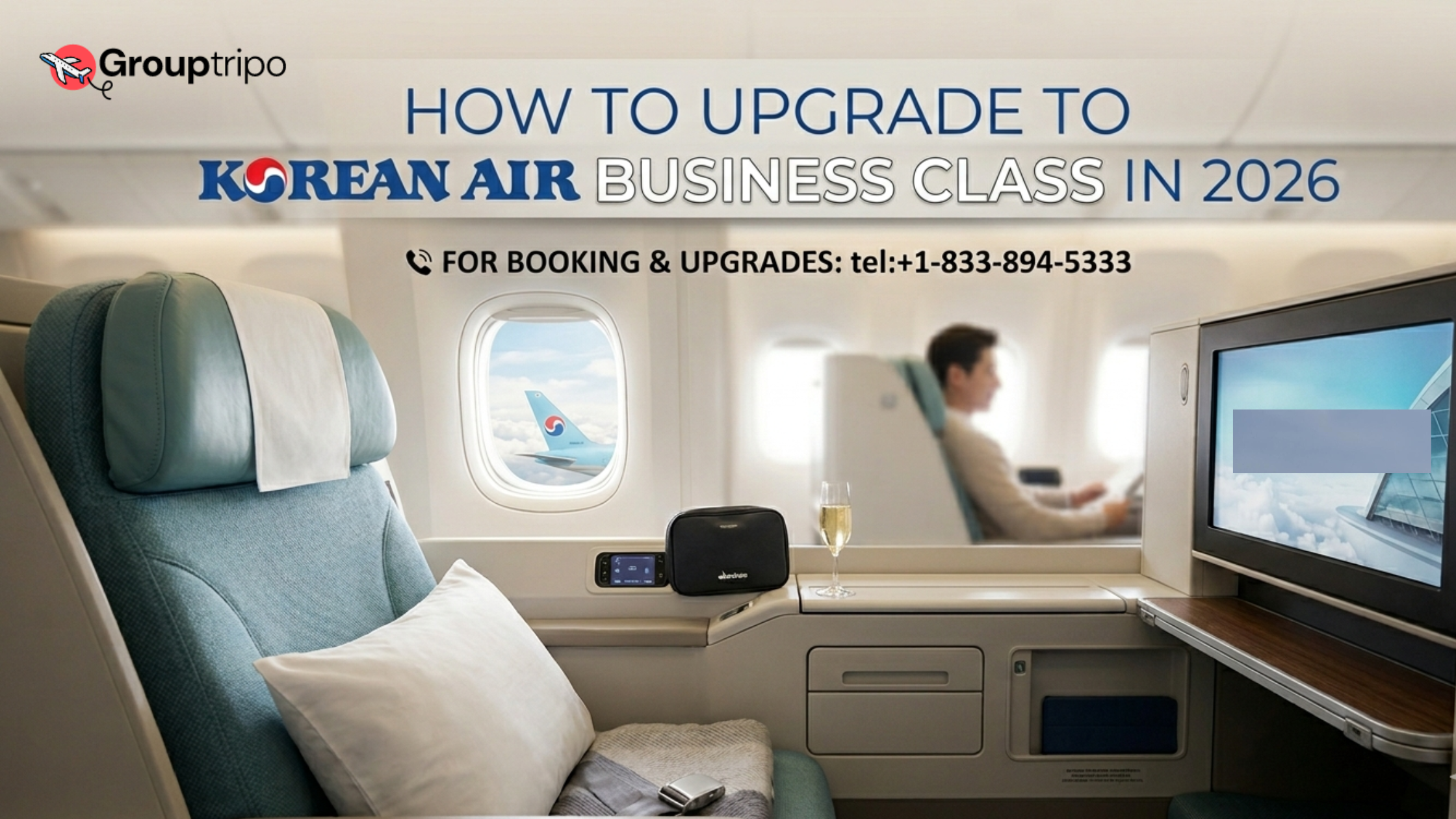
If you’ve ever tried booking korean air business class, you already know the experience is not as straightforward as it looks on the surface. Between aircraft differences, fare rules, seat maps that don’t always match reality, and upgrade eligibility restrictions, most travelers end up more confused after browsing online than before they started.
In real-world booking situations, I’ve seen passengers spend hours comparing prices, only to realize later that their fare class didn’t even qualify for upgrades or refunds. That’s usually the moment they start looking for human help instead of relying on airline websites.
If you are currently trying to figure out pricing, seats, or upgrade options, you can get real-time assistance here: tel: +1-833-894-5333
Updated: March 2026
This guide breaks everything down in a practical, experience-based way so you can actually make decisions—not just read policy pages.
Quick Answer
Korean Air Business Class offers lie-flat seats, premium dining, lounge access, and priority services on international routes. However, seat comfort, baggage rules, pricing, and upgrade eligibility vary depending on aircraft type and fare class. The experience is significantly better on newer aircraft like the 787-9 compared to older 777 configurations.
Why Korean Air Business Class Feels Confusing for Most Travelers
On paper, korean air business class seats look uniform. In reality, they vary heavily depending on aircraft, route, and booking class.
Here’s what typically causes confusion:
Seat maps change depending on aircraft assignment
“Prestige Class” branding is used differently across routes
Upgrade rules depend on fare buckets, not just ticket type
Online booking tools don’t show hidden restrictions
Refund policies vary by discount level, not cabin class
This is why two passengers sitting in “business class” may have paid very different prices and received different flexibility.
Korean Air Business Class Aircraft Differences
Korean Air Business Class 777
The korean air business class 777 configuration is one of the most widely used but also the most inconsistent.
What you should know:
Older staggered seat layout on some aircraft
Less privacy compared to newer cabins
Still fully lie-flat on long-haul routes
Seat comfort depends heavily on refitted vs older aircraft
This is where many travelers are surprised—they expect a modern suite but get a more traditional business cabin instead.
Korean Air Business Class 787-9
The Korean Air Business Class 787-9 (Prestige Suites) is a major upgrade in passenger experience.
Key highlights:
More privacy with suite-style design
Wider seats with improved storage
Better cabin pressure and humidity (less fatigue)
Consistent modern layout across most aircraft
If your route offers this aircraft, it is almost always worth prioritizing.
Korean Air Business Class Seats & Seat Map Reality
The korean air business class seat map is one of the most searched topics—and also one of the most misleading.
Here’s what airlines don’t clearly explain:
Seat maps are often generic until aircraft assignment is finalized
Exit row proximity can reduce privacy
Some seats face slightly different angles even in same cabin
Not all aisle access seats offer equal privacy
Real-world tip:
Always check the aircraft type after booking, not just before purchase. That’s when the real seat experience becomes clearer.
Korean Air Business Class Price Breakdown
The korean air business class price varies more than most travelers expect.
Typical influencing factors:
Seasonal demand (summer and holidays are highest)
Route length (USA–Korea vs intra-Asia differs significantly)
Booking class (discount business vs full fare)
Last-minute availability
In many cases, prices can double within a few days depending on seat inventory.
What most people miss:
The cheapest business class fare is often non-upgradable or heavily restricted, even though it still appears as “business class” during booking.
Related Post: https://group-tripo.nicepage.io/blog/how-to-get-korean-airlines-group-booking-for-large-groups.html
Baggage Allowance Rules (Important Detail Most Ignore)
The Korean Air business Class baggage allowance is generally more generous than economy, but it is not always identical across all routes.
Typical benefits include:
Higher checked baggage weight limit
Additional carry-on flexibility
Priority baggage handling
However:
Some promotional fares reduce allowance benefits
Codeshare flights may follow partner airline rules
Regional variations apply on certain international routes
Always verify baggage rules before confirming your booking, especially for connecting flights.
Check-in Rules & Airport Experience
The korean air business class check in rules are designed for speed and priority handling.
What you usually get:
Dedicated business class counters
Priority security lanes at major airports
Faster boarding process
Early baggage drop processing
But here’s the real insight:Even with priority check-in, delays can still happen during peak international travel periods. Arriving early still matters.
Lounge Access Policy (What You Actually Get)
The Korean Air business class lounge access policy includes entry to Korean Air lounges or partner lounges depending on airport location.
Typical benefits:
Quiet seating areas
Hot meals and buffet options
Shower facilities on long-haul routes
Business workstations
However:
Lounge quality varies significantly by airport
Some partner lounges are shared and less premium
Access rules depend on ticket type, not just cabin
Refund, Cancellation & Change Rules (Where Most Mistakes Happen)
Understanding korean air business class cancellation policy, korean air business class refund rules, and korean air business class ticket change policy is where most travelers struggle.
Key reality:
Not all business class tickets are flexible.
You may encounter:
Non-refundable discounted fares
Partial refund deductions
Change fees depending on fare class
Fare difference charges for rebooking
Important insight:
Even within business class, flexibility varies more than price sometimes. A cheaper ticket can end up costing more if changes are needed later.
Upgrade Policy (Miles vs Cash vs Airport Offers)
The korean air business class upgrade policy depends on multiple systems:
Upgrade options:
SkyPass miles upgrades
Paid upgrade offers (limited availability)
Airport standby upgrades
What travelers don’t realize:
Not all economy tickets qualify for upgrades
Upgrade inventory is dynamic and not visible online
Routes with high business demand rarely offer cash upgrades
This is why many passengers call support instead of relying on the website.
Common Mistakes Travelers Make
Here are the most expensive mistakes I see repeatedly:
Booking without checking aircraft type
Assuming all business class seats are identical
Ignoring fare restrictions during promotions
Expecting free upgrades at the airport
Not reviewing refund rules before purchase
These mistakes usually lead to frustration during travel changes.
Why Calling Support Often Works Better Than Online Booking
In real booking scenarios, korean air business class seats and upgrade availability are constantly changing. Online systems often lag behind actual inventory.
What agents can do that websites cannot:
Access live upgrade inventory
Check hidden fare rules
Reprice tickets instantly
Hold seats temporarily
Suggest alternative routing options
Real-world example:
A traveler trying to upgrade from Los Angeles to Seoul kept receiving “not eligible” online. After calling support, they discovered their fare allowed miles upgrade only—not cash upgrade—something the website never clearly displayed.
Best Time to Call:
Early morning hours
Mid-week (Tuesday–Thursday)
Avoid peak evening travel times
Sample Call Script:
“I want to check my Korean Air booking for business class upgrade eligibility, seat options, and fare rule flexibility. Can you review what options are available for my ticket?”
Call now: tel:+1-833-894-5333
Step-by-Step: How to Secure the Best Business Class Experience
Compare aircraft type before booking
Check fare rules (refund and upgrade eligibility)
Review seat map after booking confirmation
Apply for upgrade early if eligible
Reconfirm baggage and lounge access before travel
FAQs
1. Is Korean Air business class worth it?
Yes, especially for long-haul flights. The lie-flat seating, dining quality, and lounge access significantly improve comfort compared to economy.
2. What is Korean Air business class baggage allowance?
It depends on route and fare type, but generally includes higher checked baggage limits than economy. Always confirm during booking.
3. Can I choose seats in Korean Air business class?
Yes, but seat selection depends on aircraft and booking class. Some seats open only after ticket issuance or check-in.
4. What is the difference between 777 and 787-9 business class?
The 787-9 offers newer suite-style seating with better privacy, while the 777 may have older staggered layouts depending on configuration.
5. How do refunds work for Korean Air business class tickets?
Refund rules depend on fare class. Discounted tickets may have penalties or restrictions, while full-fare tickets offer more flexibility.
Conclusion
Understanding korean air business class is not just about choosing a seat—it’s about understanding fare rules, aircraft differences, and upgrade eligibility that directly impact your travel experience.
Most confusion happens after booking, not before it. That’s when passengers realize that policies are not always clearly explained online and vary based on fare class and aircraft type.
If you want to avoid mistakes, secure better seats, or confirm upgrade eligibility in real time, speaking with a specialist can make the process significantly easier.
Get expert assistance now: tel: +1-833-894-5333